Ductless HVAC systems are often chosen for their flexibility, energy efficiency, and ability to provide targeted heating and cooling without traditional ductwork. However, even though these systems require less extensive infrastructure than central HVAC, they still depend on stable walls, level equipment pads, secure mounting points, and properly aligned refrigerant and drain lines. If a home has active foundation movement, installing ductless equipment before addressing the structural issue can create complications. Wall-mounted indoor units, outdoor condensers, and connecting lines may all be affected if portions of the building continue to shift.
Check Walls Before Mounting Indoor Units
Indoor ductless units are typically mounted directly to interior or exterior walls. These walls need to be stable, properly framed, and sufficiently level to support the equipment. Foundation settlement can cause walls to move slightly out of alignment, which may affect how securely the unit sits or how condensate drains. If there are cracks, sticking doors, uneven floors, or other signs of movement nearby, professionals such as Bats Foundation Repair can evaluate whether structural stabilization should be completed before HVAC installation begins.
Protect Refrigerant Lines From Stress
Ductless systems rely on refrigerant lines that connect each indoor unit to the outdoor condenser. These lines often pass through walls and run along exterior surfaces. If the structure shifts after installation, the tubing may experience tension at bends, fittings, or wall penetrations. Over time, repeated stress may contribute to leaks or damaged connections. Stabilizing the foundation first can provide a more consistent structural path for running and securing these lines.
Maintain Proper Condensate Drainage
Indoor ductless units remove moisture from the air during cooling, and that condensation must be drained away properly. Drain lines depend on correct slope and positioning to prevent water from backing up inside the unit. Foundation settlement can alter wall or floor alignment enough to affect drainage in certain situations. Poor drainage may lead to leaks, water stains, or moisture damage around the indoor unit. Installing the system after structural concerns are addressed can make it easier to establish reliable drainage.
Keep Outdoor Units Level
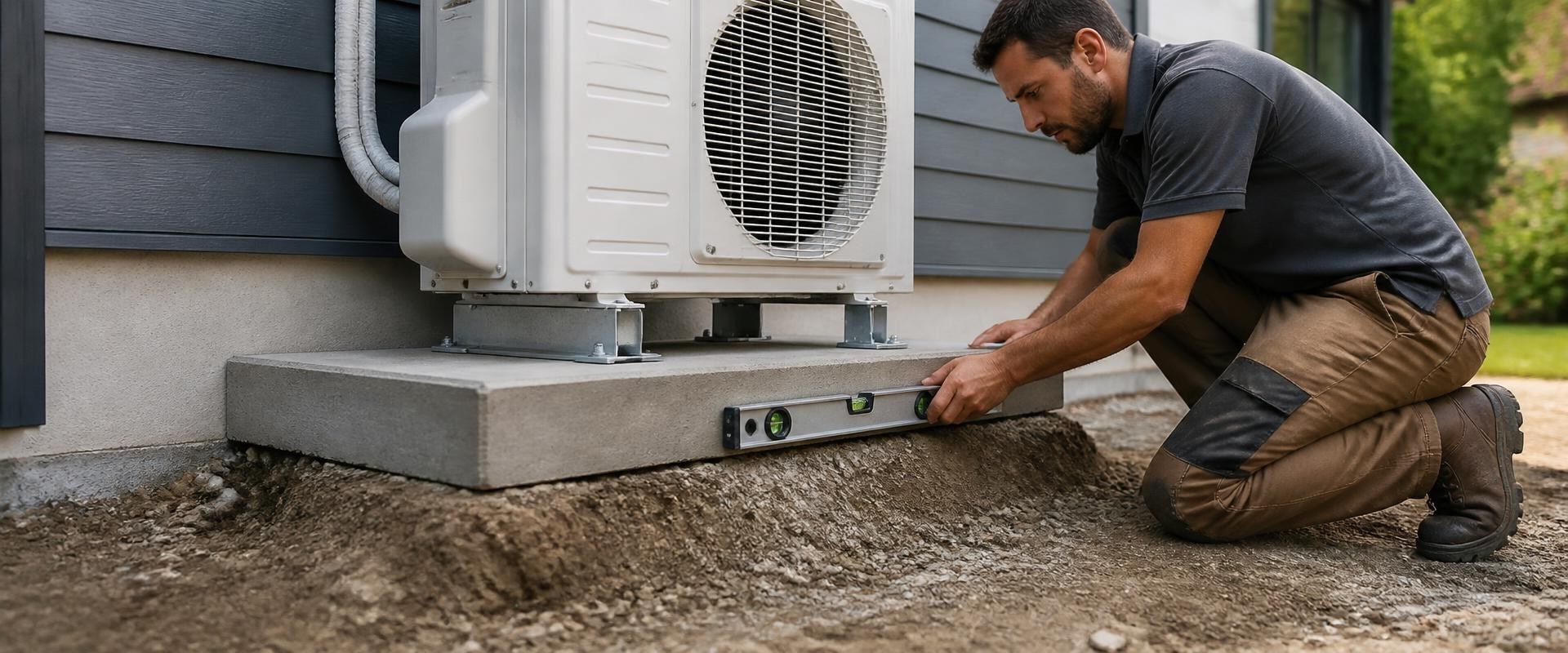
The outdoor condenser should sit on a stable and level surface. Soil movement or settlement near the foundation can cause equipment pads to sink or tilt. An uneven condenser may experience additional vibration or place stress on connected lines. Before installation, contractors should evaluate the ground conditions and select a location that offers consistent support. If foundation repair or excavation is planned nearby, it may be better to complete that work before the outdoor unit is positioned.
Coordinate Electrical Installation
Ductless HVAC systems require dedicated electrical connections, disconnects, and other components depending on the equipment. Major structural repair may involve access to walls or exterior areas where electrical lines will be installed. Coordinating foundation and HVAC projects can prevent new wiring or equipment from blocking repair access or needing to be relocated later.
Take Final Measurements After Structural Repairs
Foundation stabilization can slightly change the alignment of walls, floors, or exterior surfaces. When significant repair is required, HVAC contractors may benefit from taking final measurements and determining equipment placement after structural work is complete. This can reduce the chance that mounting brackets, line sets, or drainage routes will need adjustment afterward.
Protect the Long-Term HVAC Investment
A ductless HVAC system can represent a substantial investment, so installing it on a structurally stable property can help support more reliable long-term performance. By addressing foundation movement first, checking mounting surfaces, protecting refrigerant and drain lines, and ensuring outdoor equipment sits on stable ground, homeowners can reduce unnecessary stress on the system. Coordinating foundation and HVAC professionals before installation can also help create a cleaner, more efficient project sequence with fewer avoidable repairs later.