Ductless HVAC systems are valued for their efficiency, zoned comfort, and compact design, but they can be surprisingly vulnerable during the gap between move-out and move-in. When a home or commercial space sits unoccupied, these systems often receive less attention than traditional ducted units. Without regular use and monitoring, small maintenance issues can quietly develop, leading to performance problems that only become apparent once the new occupants arrive.
What Happens When Systems Sit Idle
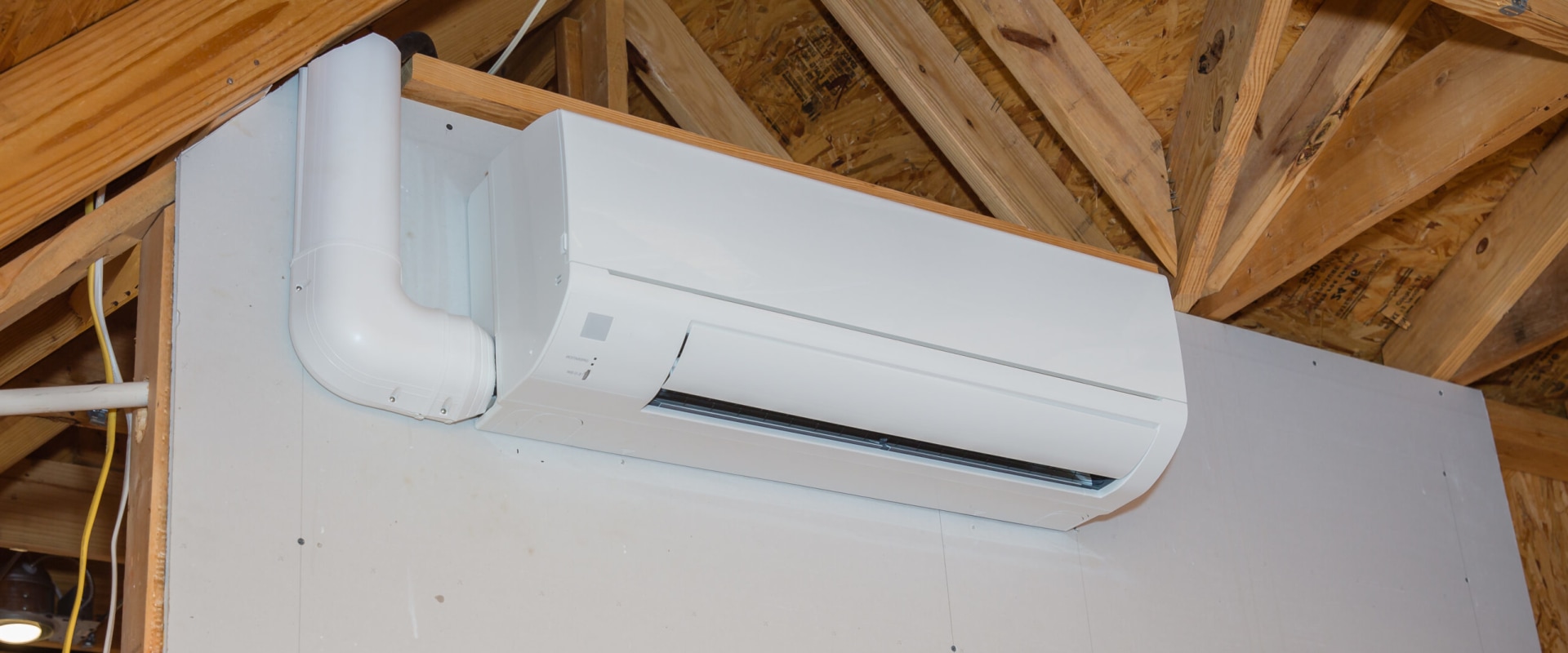
During vacancy, ductless systems may be powered down or set to minimal operation. While this can save energy, it also reduces airflow that normally helps prevent dust buildup and moisture accumulation. Indoor units can collect debris on filters and coils, while outdoor condensers may be exposed to weather, pests, or blocked airflow. Because ductless systems rely on precise airflow and sensor feedback, even minor obstructions or contamination can affect efficiency once the system is restarted.
Common Maintenance Gaps Between Occupants
One of the most common gaps is skipped filter maintenance. Outgoing occupants may assume filters will be handled later, while incoming occupants may assume they were recently cleaned. In reality, filters often remain dirty through the transition, restricting airflow and stressing the system. Condensate drain lines can also clog during periods of inactivity, leading to leaks or water damage when the system is turned back on. These issues are easy to miss during vacancy but disruptive after move-in.
Moisture and Mold Risks
Ductless indoor units are particularly sensitive to moisture. When humidity isn’t managed consistently, condensation can linger inside the unit. In vacant properties, this creates an environment where mold or mildew can develop on coils or internal components. Once occupants return and the system resumes normal operation, unpleasant odors or air quality issues may emerge, requiring professional cleaning or repairs that delay comfortable use of the space.
Outdoor Unit Neglect
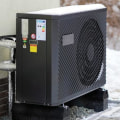
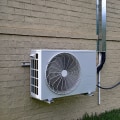
The outdoor component of a ductless system is often overlooked during transitions. Landscaping changes, construction debris, or simple neglect can block airflow around the condenser. Leaves, dirt, or trash can accumulate without anyone noticing. When the system is restarted, reduced airflow forces it to work harder, increasing wear and the risk of failure. A quick inspection during the vacancy period could prevent these problems, but it’s often skipped.
Impact on Move-In Schedules
Maintenance gaps in ductless systems can directly affect move-in timelines. If cooling or heating doesn’t perform as expected, occupants may need emergency service calls. This can be especially disruptive in tightly scheduled relocations handled by a trusted commercial moving company in Austin TX, where climate control is essential for protecting equipment, furniture, and employee comfort. HVAC delays add stress and can interfere with unpacking and operational setup.
Responsibility Confusion During the Gap
Another challenge is uncertainty over responsibility. Sellers, landlords, or outgoing tenants may assume HVAC upkeep ends at move-out, while buyers or new tenants expect systems to be ready upon arrival. Without clear agreements, ductless systems may go weeks or months without basic checks. This gray area is where many maintenance gaps begin, turning minor neglect into noticeable performance issues.
Preventive Steps That Make a Difference
The best way to avoid problems is proactive maintenance during the transition period. Cleaning or replacing filters, checking drain lines, and briefly running the system weekly can keep components in good condition. Outdoor units should be inspected for obstructions, and settings should be verified before occupancy. Scheduling a professional check shortly before move-in provides peace of mind and establishes a maintenance baseline.
Long-Term Effects of Skipped Maintenance
Ignoring ductless HVAC care during vacancy doesn’t just cause short-term discomfort—it can shorten system lifespan. Reduced efficiency, repeated strain, and moisture-related damage all contribute to higher repair costs over time. What could have been a simple cleaning often becomes a more expensive service call after move-in.
Closing the Maintenance Gap
Ductless HVAC systems perform best when they’re consistently maintained, even during periods of vacancy. Recognizing the risks between move-out and move-in allows property owners and occupants to plan ahead. By addressing small maintenance tasks during the transition, new occupants can enjoy immediate comfort and avoid unnecessary delays—turning a potential problem into a smooth handoff.