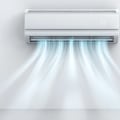
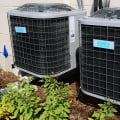
Homeowners planning major energy-efficiency upgrades often focus on either roofing improvements or HVAC replacement separately, but combining these projects can provide benefits that are rarely discussed. One example is pairing roof upgrades with ductless HVAC installation during home renovations or system modernization projects. Ductless HVAC systems, also known as mini-split systems, are designed to deliver targeted heating and cooling without relying on traditional ductwork. While these systems are highly efficient on their own, their performance can improve even further when installed alongside roofing upgrades that enhance insulation, ventilation, and moisture protection throughout the home. Coordinating both improvements at the same time often creates a more balanced indoor environment while reducing long-term energy loss and maintenance concerns.
Roofing Performance Directly Affects HVAC Efficiency
The roof serves as the home’s primary barrier against outdoor temperatures, moisture, and seasonal weather conditions. If the roofing system is poorly insulated or improperly ventilated, indoor temperatures can fluctuate significantly, forcing HVAC systems to work harder to maintain comfort. Ductless HVAC systems are designed for efficiency, but they still depend on a well-protected building envelope to operate at their full potential. Upgrading roofing materials, attic insulation, and ventilation systems can reduce heat transfer through the roof and help ductless units maintain more consistent indoor temperatures. As a result, the HVAC system cycles less frequently, improving energy savings and reducing long-term wear on equipment.
Attic Ventilation Supports Better Temperature Control
One of the less obvious advantages of combining roof upgrades with ductless HVAC installation involves attic ventilation. Poor attic airflow can trap excessive heat beneath the roof during warmer months and contribute to uneven indoor temperatures throughout the home. This heat buildup often places additional strain on cooling systems, even when energy-efficient ductless units are installed. Roof upgrades that improve attic ventilation help release trapped heat and moisture more effectively, allowing indoor spaces to stay cooler with less HVAC effort. Roofing professionals understand that proper airflow beneath the roof plays a major role in maintaining comfortable indoor conditions year-round.
Moisture Protection Helps Preserve Indoor Air Quality
Roofing improvements also help reduce moisture-related issues that can interfere with HVAC performance and indoor comfort. Roof leaks, condensation, and poor ventilation may introduce excess humidity into attic spaces and upper levels of the home. Ductless HVAC systems are highly effective at controlling temperature, but excessive indoor humidity can still reduce comfort and increase the workload placed on cooling equipment. Upgraded roofing systems with improved flashing, drainage, and insulation help minimize moisture intrusion while supporting healthier indoor air conditions. Companies such as A1 Roofing Services recognize that protecting the roof from leaks and ventilation problems contributes directly to better HVAC efficiency and long-term indoor comfort.
Ductless Systems Complement Modern Roof Upgrades
Many homeowners choose ductless HVAC systems during remodels, additions, or energy-efficiency projects because these systems require less invasive installation than traditional ducted systems. At the same time, roof upgrades often involve attic access, insulation improvements, or ventilation modifications that align naturally with HVAC modernization work. Coordinating these projects together can reduce overall labor disruption while improving the performance of both systems simultaneously. Homes with upgraded roofing materials and efficient ductless HVAC systems often experience more consistent indoor temperatures, lower utility costs, and fewer airflow imbalances throughout the property.
Long-Term Energy Savings Become More Noticeable
While either a roof upgrade or ductless HVAC installation can improve efficiency independently, combining them often produces more noticeable long-term results. A properly sealed and ventilated roof reduces heat gain and heat loss, allowing ductless systems to operate more efficiently throughout changing seasons. Homeowners may also experience quieter indoor operation, reduced humidity fluctuations, and improved zoning control within different areas of the home. Preventive roofing maintenance combined with energy-efficient HVAC technology helps create a stronger overall building system that supports both comfort and sustainability over time.
Coordinated Upgrades Improve Overall Home Performance
Pairing roof upgrades with ductless HVAC installation is rarely discussed during renovation planning, yet the two systems work closely together in maintaining indoor comfort and energy efficiency. By improving insulation, ventilation, and moisture control at the roof level while upgrading HVAC technology, homeowners can create healthier, more balanced indoor environments with lower long-term operating costs.