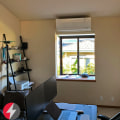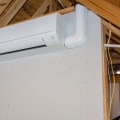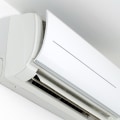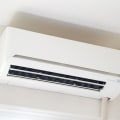
Ductless HVAC systems, also known as mini-split systems, are a popular choice for homeowners seeking energy-efficient and flexible climate control. Unlike traditional systems, ductless units operate without extensive ductwork, making them easier to install and maintain. However, they still rely on drain lines to remove condensation produced during cooling. These drain lines are essential for preventing moisture buildup inside the unit and maintaining proper system performance. When neglected, they can become clogged with dirt, algae, or debris, leading to water leaks and reduced efficiency. Understanding how these systems function is the first step in preventing common drainage issues.
Common Causes of Drain Line Blockages
Drain line blockages in ductless HVAC systems often result from the accumulation of organic material over time. Dust and airborne particles can mix with moisture, creating a buildup that restricts water flow. Additionally, algae and mold can thrive in the damp environment of the drain line, further contributing to clogs. Improper installation, such as incorrect line slope or inadequate sealing, can also increase the likelihood of blockages. Recognizing these causes allows homeowners to take proactive measures and prevent minor issues from escalating into costly repairs or system malfunctions.
Maintenance Tips to Keep Drain Lines Clear
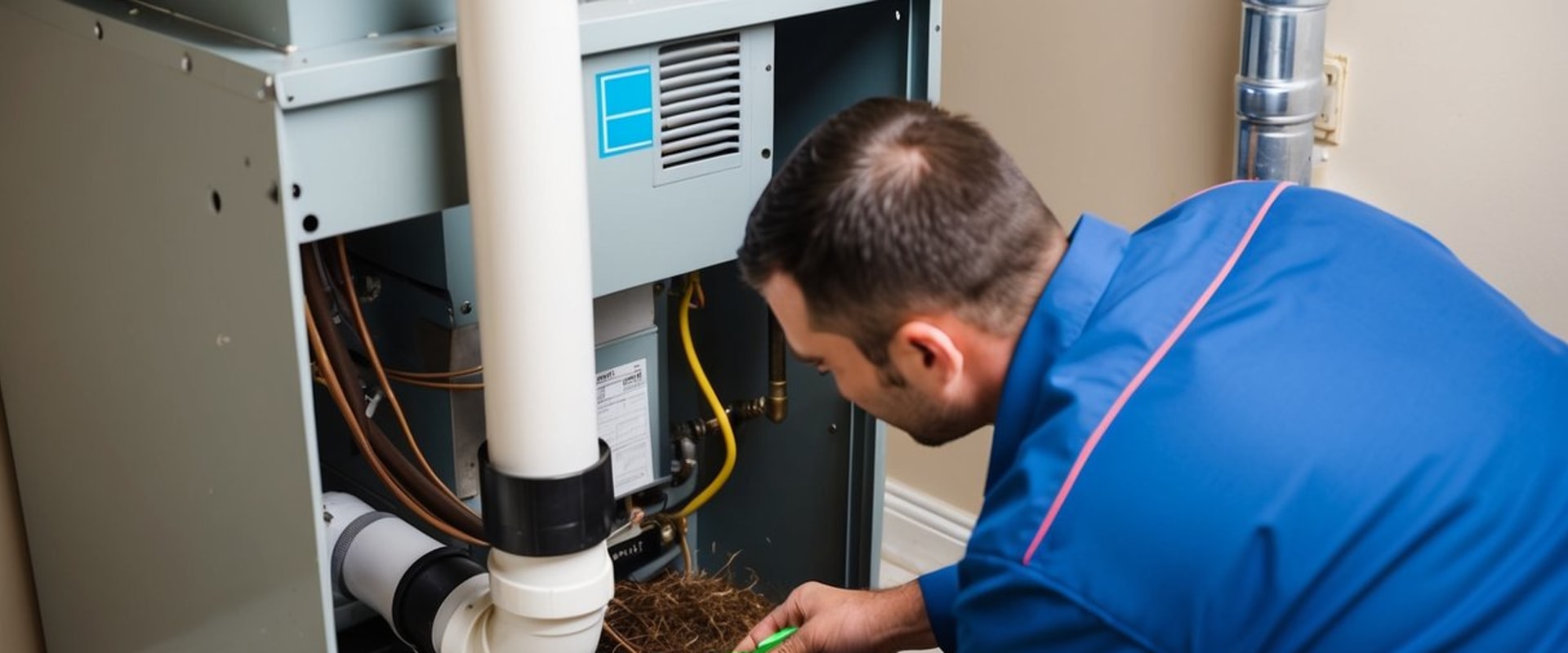
Regular maintenance is key to preventing drain line blockages in ductless HVAC systems. Homeowners should periodically inspect the indoor unit and ensure that the drain line is free of visible obstructions. Flushing the line with a gentle cleaning solution can help remove buildup before it becomes problematic. Keeping air filters clean is another important step, as it reduces the amount of dust entering the system and ultimately reaching the drain line. For those seeking detailed guidance or professional assistance, it may be helpful to visit website resources provided by HVAC experts, which often include step-by-step maintenance tips and troubleshooting advice. Consistent upkeep not only prevents clogs but also extends the lifespan of the system.
Preventing Water Damage and Performance Issues
Clogged drain lines can lead to a variety of problems that affect both the HVAC system and the home. When water cannot drain properly, it may back up into the unit, causing leaks that damage walls, ceilings, or flooring. This excess moisture can also create an environment conducive to mold growth, which can impact indoor air quality. Additionally, blockages can force the system to work harder, reducing its efficiency and increasing energy consumption. By keeping drain lines clear, homeowners can avoid these issues and ensure that their ductless HVAC system operates smoothly and effectively.
Long-Term Benefits of Proper Maintenance
Taking a proactive approach to maintaining ductless HVAC systems offers significant long-term benefits. Clear drain lines contribute to consistent performance, lower energy costs, and fewer unexpected repairs. Regular maintenance also helps preserve the overall condition of the system, ensuring that it continues to provide reliable comfort throughout the year. By understanding the importance of drain line care and implementing simple preventative measures, homeowners can protect their investment and enjoy a healthier, more efficient indoor environment. Ultimately, proper maintenance is the key to maximizing the performance and longevity of any ductless HVAC system.