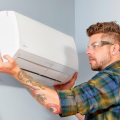
Ductless HVAC systems, often called mini-split systems, are known for their energy efficiency, quiet operation, and zoned temperature control. Unlike traditional systems that rely on extensive ductwork, ductless units use individual indoor air handlers connected to an outdoor compressor. While this design reduces energy loss and improves temperature control, it also creates a different set of maintenance challenges. Each indoor unit continuously pulls in room air, meaning dust, allergens, grease particles, and moisture are drawn directly into the system. Without consistent professional cleaning, this buildup quickly begins to interfere with airflow, temperature regulation, and overall performance.
How Dirt and Debris Restrict Airflow
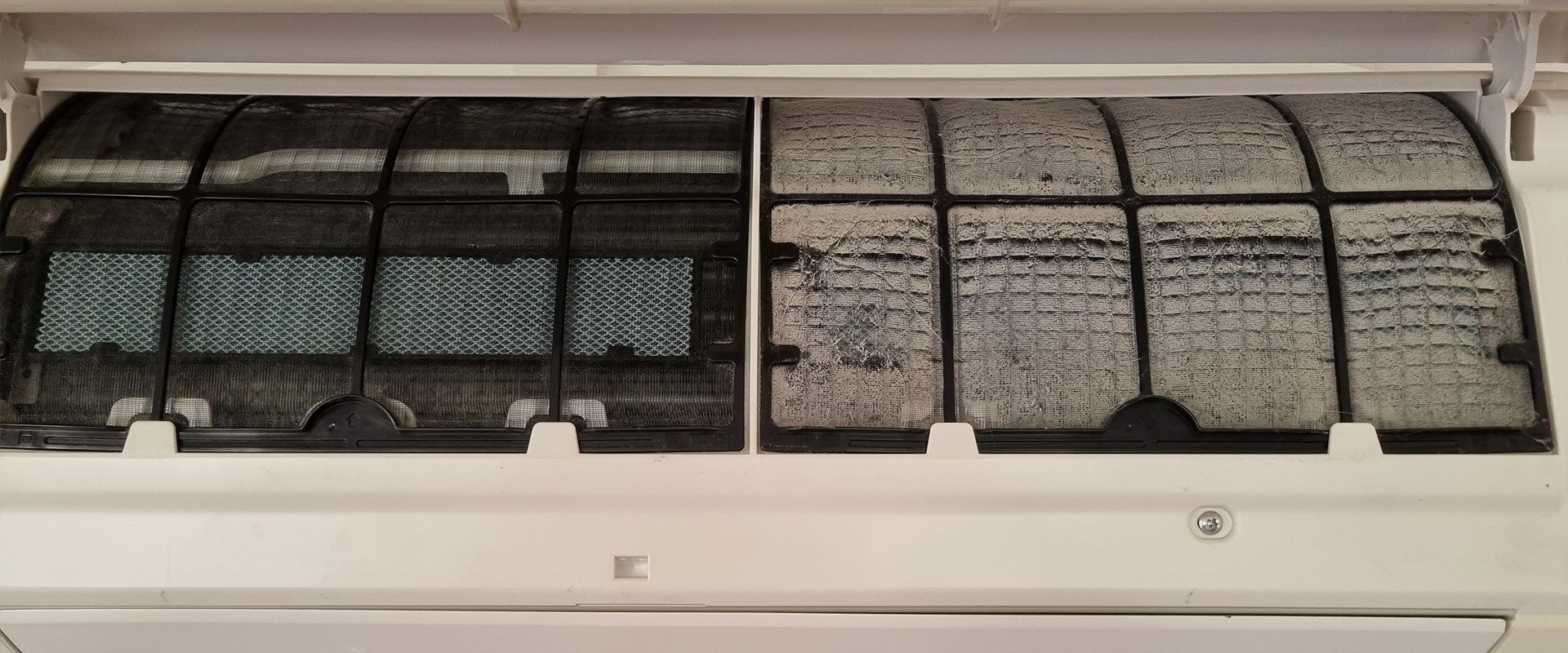
One of the most immediate ways dirty components affect ductless HVAC performance is through restricted airflow. Dust accumulates on intake filters, evaporator coils, blower fans, and air louvers, reducing the volume of air the system can move. When airflow is blocked, the system must work harder to reach the desired temperature, leading to longer run times and increased energy consumption. Over time, this added strain accelerates wear on motors and electrical components, increasing the likelihood of breakdowns. Cleaning services restore full airflow by removing the layers of debris that silently choke system efficiency.
Coil Contamination and Heat Transfer Loss
The evaporator coils inside ductless indoor units play a critical role in heat exchange. When these coils are coated with dust, grease, and microbial films, their ability to absorb and release heat is significantly reduced. This forces the system to operate longer and at higher loads to achieve the same level of cooling or heating. Professional cleaning removes coil contamination using controlled methods that protect delicate fins while restoring full heat transfer capability. Once coils are clean, the system cycles more efficiently, maintains stable temperatures, and reduces unnecessary energy waste.
Moisture, Mold, and Odor Prevention
Ductless HVAC systems naturally generate condensation during cooling cycles, which drains through internal channels. When dirt and debris mix with moisture, they create an ideal environment for mold and bacteria to grow inside the unit. This microbial buildup not only produces unpleasant odors but also releases spores into the indoor air. Cleaning services remove both organic buildup and moisture-trapping debris, preventing microbial growth before it spreads. This directly improves indoor air quality while also protecting internal system components from corrosion and biological damage.
Cleaner Surroundings Protect System Performance
The performance of ductless systems is also strongly influenced by the cleanliness of the surrounding environment. Dust on floors, furniture, kitchens, and laundry areas becomes airborne and is continuously pulled into the unit. Grease vapors in kitchens and humidity in bathrooms accelerate contamination even further. Whole-room professional cleaning reduces the volume of airborne particles that enter the system in the first place. Services like Freedom Cleaning address both the HVAC unit and the surrounding environment, breaking the cycle of constant recontamination that undermines ductless system efficiency.
Reduced Energy Bills and Mechanical Stress
When ductless HVAC systems operate with clean filters, coils, and blower components, they achieve target temperatures faster and maintain them with shorter run cycles. This directly translates into lower energy usage and reduced monthly utility bills. Clean systems also experience less mechanical strain, which lowers the risk of overheating, electrical stress, and premature component failure. Over time, property owners benefit from fewer service calls, lower repair costs, and significantly extended system lifespan.
Improved Comfort and Consistent Temperature Control
Dirty ductless units often struggle with uneven cooling or heating, weak airflow, and temperature fluctuations between zones. Cleaning restores consistent airflow across all indoor units, ensuring that each zone receives balanced temperature control. This improves overall comfort, eliminates hot or cold spots, and allows occupants to fully benefit from the zoned design that makes ductless systems so appealing. Clean systems also operate more quietly, as reduced airflow resistance lowers noise from fans and internal components.
Health Benefits and Cleaner Indoor Air
By removing dust, allergens, mold spores, and bacteria from ductless HVAC systems, professional cleaning directly improves indoor air quality. This is especially important for occupants with asthma, allergies, or respiratory sensitivities. Clean systems reduce airborne irritants, improve breathing comfort, and support overall wellness for families and employees alike.
A Proactive Strategy for Long-Term Performance
Cleaning services are not an optional add-on for ductless HVAC systems—they are a core performance strategy. By protecting airflow, restoring heat transfer, preventing microbial growth, reducing energy consumption, and lowering mechanical stress, professional cleaning allows ductless systems to operate as efficiently as they were designed to from the start. This proactive approach ensures reliable comfort, healthier indoor air, and maximum return on investment for years to come.