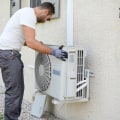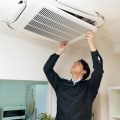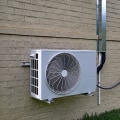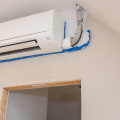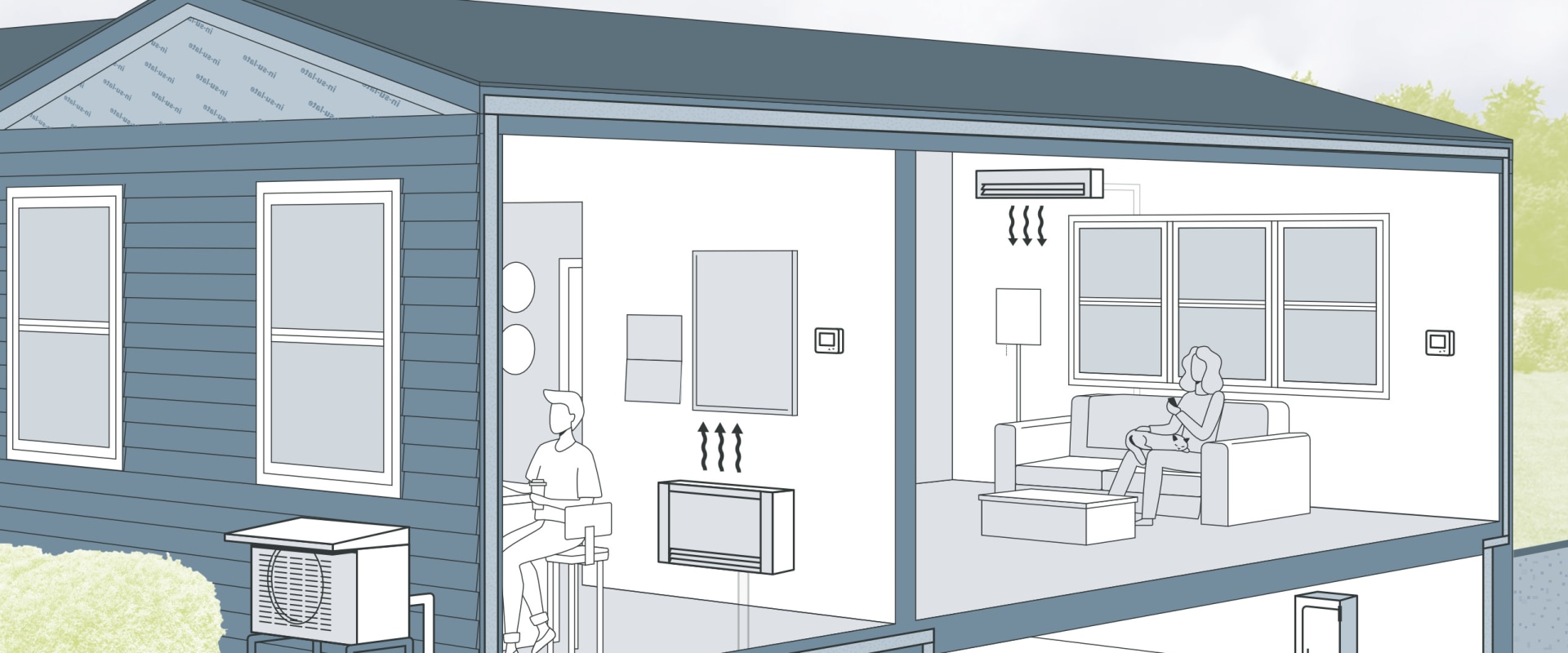
Residential modernization projects often focus on improving comfort, efficiency, functionality, and long-term property performance. Homeowners may invest in updated layouts, improved insulation, energy-efficient windows, upgraded electrical systems, and smart home technologies as part of broader renovation efforts. While these improvements can significantly enhance a home's performance, heating and cooling systems remain one of the largest contributors to household energy consumption. As a result, HVAC planning plays a critical role in modernization projects. Among the available options, ductless HVAC systems have become increasingly popular because they offer flexibility, efficiency, and adaptability that align well with modern energy planning goals.
Reducing Energy Loss Associated With Traditional Ductwork
One of the primary advantages of ductless HVAC systems is their ability to eliminate energy losses associated with conventional ductwork. In many older homes, air ducts may be poorly insulated, damaged, or inefficiently designed, causing conditioned air to escape before reaching occupied spaces. These losses can increase energy consumption and reduce overall system performance. Ductless systems deliver heating and cooling directly to specific areas without relying on extensive duct networks. This targeted approach helps reduce wasted energy and allows homeowners to achieve more efficient temperature control throughout the home.
Supporting Zoned Heating and Cooling
Energy planning during modernization projects often involves finding ways to reduce unnecessary energy use while maintaining comfort. Ductless HVAC systems support this objective through zoned heating and cooling capabilities. Individual indoor units can be controlled independently, allowing homeowners to condition only the areas that are actively being used. This flexibility helps reduce energy consumption in unoccupied spaces while improving comfort in frequently used rooms. As household routines change throughout the day, zoned systems provide a level of control that traditional centralized systems may not offer as efficiently.
Adapting to Renovation and Expansion Projects
Many residential modernization efforts involve reconfiguring existing spaces, finishing basements, converting garages, adding home offices, or creating room additions. Extending traditional ductwork into these areas can sometimes be costly or impractical. Ductless systems offer a flexible alternative because they can be installed in individual rooms or newly renovated spaces without major structural modifications. This adaptability makes them particularly valuable for modernization projects where preserving existing construction or minimizing disruption is a priority. Contractors frequently consider ductless options when developing energy plans for homes undergoing significant upgrades.
Complementing Other Energy-Efficiency Improvements
Residential modernization projects rarely focus on a single system. Instead, homeowners often pursue multiple efficiency improvements simultaneously. Enhanced insulation, upgraded windows, improved air sealing, and smart home controls all contribute to overall energy performance. Ductless HVAC systems integrate well with these upgrades by providing efficient heating and cooling that complements the home's improved thermal performance. Organizations such as Terry Brodnik Group - Contracting and Home Services often recognize that successful modernization projects require coordination among various building systems to maximize long-term efficiency and functionality. HVAC decisions play an important role within that broader strategy.
Supporting Long-Term Flexibility and Future Needs
Another advantage of ductless HVAC systems is their ability to support future changes in how a home is used. As families grow, work-from-home arrangements evolve, or accessibility needs change, homeowners may require different heating and cooling solutions for specific areas. Because ductless systems can often be expanded or modified more easily than traditional ducted systems, they provide valuable flexibility for long-term planning. This adaptability aligns well with modernization projects that prioritize future readiness alongside current performance goals.
A Valuable Tool for Residential Energy Planning
Ultimately, ductless HVAC systems offer several advantages that make them well-suited for residential modernization projects. Their ability to reduce energy losses, support zoned comfort, adapt to renovations, complement efficiency upgrades, and accommodate future needs makes them a valuable component of comprehensive energy planning. By incorporating ductless technology into broader modernization strategies, homeowners can create more efficient, comfortable, and adaptable living environments that support long-term property performance and sustainability goals.