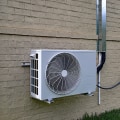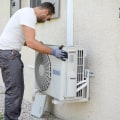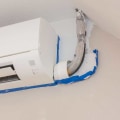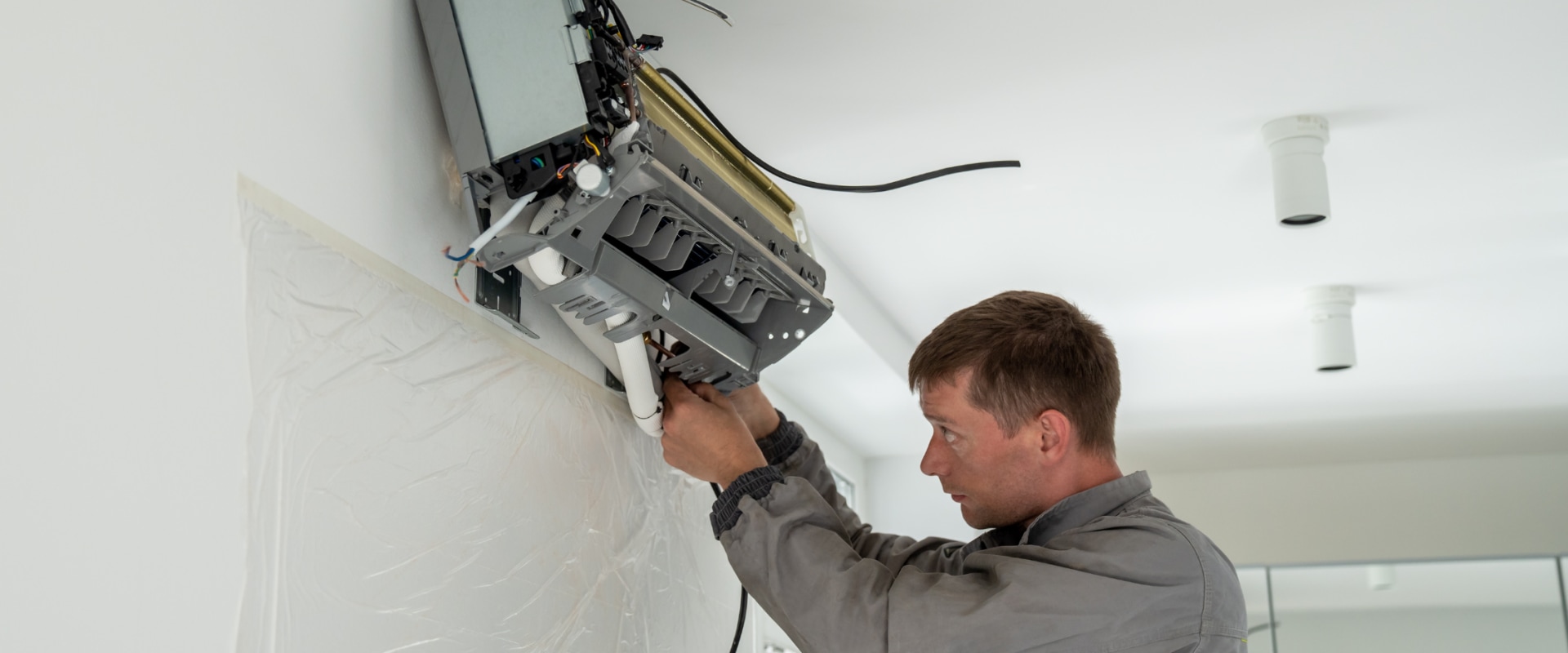
Wall-mounted ductless HVAC systems—commonly called mini-splits—have become fixtures in homes, apartments, and commercial suites thanks to their zoning flexibility, quiet operation, and high energy efficiency. Yet their growing popularity has introduced a new category of maintenance complication rarely discussed in installation brochures: cleaning access. Unlike central HVAC systems that consolidate mechanical components inside an air handler, ductless units distribute coils, filters, drain pans, and electronics across elevated wall mounts in occupied rooms. This dispersal of parts creates both logistical and hygienic challenges because the very features that make mini-splits efficient—variable-speed blowers, tightly stacked aluminum fins, and low-temperature coils—also make them magnets for dust, biofilm, and condensation residue. While technicians service refrigerant circuits and replace filters, the majority of cleaning responsibility falls on homeowners or building staff who are often unprepared for the accessibility and contamination issues that follow.
Where Contaminants Accumulate and Why Access Matters
Ductless heads breathe room air directly across their coils without the benefit of upstream duct filtration. Fine particulates, grease, pollen, and textile fibers adhere to the coil fins, blower wheels, and stationary vanes. Over time, condensate water interacts with this debris to form sticky deposits that encourage microbial growth. Because the coil and blower are positioned behind narrow plastic bezels and louvers, most consumer-grade cleaning efforts reach only the superficial surfaces. Accessing internal components requires removing covers and sometimes disconnecting swing louvers, a process that risks breaking brittle tabs or damaging hidden sensors. Installers further complicate access when they mount units too close to ceilings, shelving, or decorative trim, leaving insufficient clearance for tools, vacuum attachments, or coil-cleaning hoods.
Drainage and Moisture Control as Cleaning Obstacles
Mini-splits rely on internal condensate pans and small drain lines to manage moisture. When contamination accumulates in these pans, water stagnates and produces odors or biofilm slimes that can clog drains. Cleaning technicians often need to flush pans and lines with pressurized cleaning bags, yet these setups require vertical clearance and spill containment—conditions rarely considered at installation time. In commercial settings, wall-mounted units above workstations or retail displays add an additional layer of liability, as cleaning runoff must be controlled to avoid property damage.
Elevation, Ergonomics, and Safety
The ergonomics of ductless cleaning introduce notable safety concerns. Wall-mounted heads are typically installed 7–9 feet above finished floors, placing them firmly in ladder territory. Routine cleaning becomes a two-person job involving ladder stabilization, tool handling, and electrical lockout. For multi-head systems across large buildings, these tasks accumulate into substantial labor hours that facility managers must schedule around occupant activity. Even portable air washers and coil-cleaning kits require setup space that conflicts with desks, shelving, or furniture.
The Role of Facilities and Janitorial Services
Because ductless systems lack centralized ducts to capture airborne dust, a significant portion of particulate control must occur at the room level. Regular dusting, vacuuming with HEPA filtration, and surface wiping reduce the debris load that ultimately feeds coil fouling. In many commercial properties, janitorial staff become the first line of defense by maintaining cleaner breathing zones and flagging when mini-splits show signs of streaking, condensate drips, or odor. Professional service providers, including teams that handle office cleaners in Sydney, illustrate how coordinated surface cleaning and mechanical maintenance mitigate foul odors, efficiency loss, and microbial growth in ductless environments.
Rethinking Installation and Maintenance Culture
Ultimately, wall-mounted ductless systems demand a shift in cleaning and maintenance culture. Better installation planning—ensuring adequate clearance, drainage access, and service corridors—combined with proactive cleaning protocols can extend equipment life and preserve indoor air quality. As adoption increases, so too will the need for training, tools, and workflows designed around cleaning access rather than just refrigerant performance.