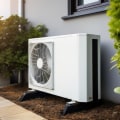
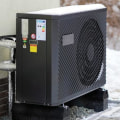
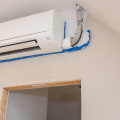
Indoor air quality is often associated with traditional central HVAC systems, where ductwork, air filters, and ventilation strategies receive most of the attention. However, ductless climate control systems also play an important role in shaping the quality of the air people breathe every day. These systems have become increasingly popular because they offer energy efficiency, flexible installation, and individualized temperature control for different rooms or zones. While their primary function is to provide heating and cooling, ductless systems can also contribute to healthier indoor environments when they are properly installed and maintained. Unlike conventional systems that distribute air through extensive duct networks, ductless units condition the air directly within the space, reducing the opportunity for contaminants to accumulate inside long duct runs. Nevertheless, achieving excellent indoor air quality still depends on several additional factors that extend beyond simply operating the equipment.
Clean Air Requires More Than Cooling Efficiency
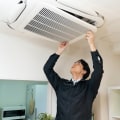
A ductless system can only perform at its best when its internal components remain clean and unobstructed. Filters, evaporator coils, and blower fans gradually collect dust, pollen, pet dander, and other airborne particles during normal operation. If these components are neglected, airflow decreases and contaminants may continue circulating within the room instead of being effectively captured. Routine cleaning helps maintain strong airflow while allowing the system to cool efficiently and support healthier indoor conditions. Occupant habits also influence indoor air quality. Activities such as cooking, cleaning, burning candles, or using chemical-based household products release particles and volatile organic compounds into the air that require proper management. Opening windows when outdoor conditions are favorable, reducing indoor pollutant sources, and operating an exhaust fan in moisture-prone areas such as kitchens and bathrooms can complement the performance of ductless systems by removing stale air and limiting excess humidity before it spreads throughout the home.
Humidity and Air Circulation Work Together
One of the less obvious ways ductless climate control systems support indoor air quality is through humidity management. Comfortable indoor spaces require not only appropriate temperatures but also balanced moisture levels. Excess humidity encourages mold, mildew, and dust mite growth, while overly dry conditions may irritate the eyes, skin, and respiratory system. During cooling operation, ductless systems naturally remove moisture from indoor air as part of the refrigeration process. When airflow remains unrestricted and maintenance is performed regularly, this dehumidification process becomes more effective, helping create a healthier indoor environment. Proper placement of indoor units also contributes to better air circulation by promoting more even temperature distribution throughout occupied spaces. Eliminating stagnant air pockets reduces the likelihood of localized humidity problems while improving overall comfort. Although ductless systems do not rely on extensive ductwork, thoughtful room layout and unobstructed airflow remain essential for maximizing their performance.
A Comprehensive Approach Delivers Better Results
Maintaining excellent indoor air quality requires viewing ductless climate control as one part of a larger indoor environmental strategy. Regular maintenance, including filter cleaning, coil inspection, condensate drain servicing, and airflow evaluation, keeps equipment operating efficiently while minimizing opportunities for contaminants to accumulate. Homeowners should also pay attention to routine housekeeping, moisture control, proper insulation, and sealing unwanted air leaks that allow outdoor pollutants to enter the building. Selecting low-emission building materials and cleaning products further reduces indoor pollutant sources that no cooling system can eliminate on its own. When these practices are combined with the energy-efficient performance of ductless climate control, occupants benefit from cleaner air, more consistent comfort, and lower energy consumption throughout the year. Rather than focusing solely on temperature control, recognizing the close relationship between air quality, humidity, airflow, and ongoing maintenance allows property owners to create healthier, more comfortable indoor environments that support everyday well-being.