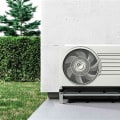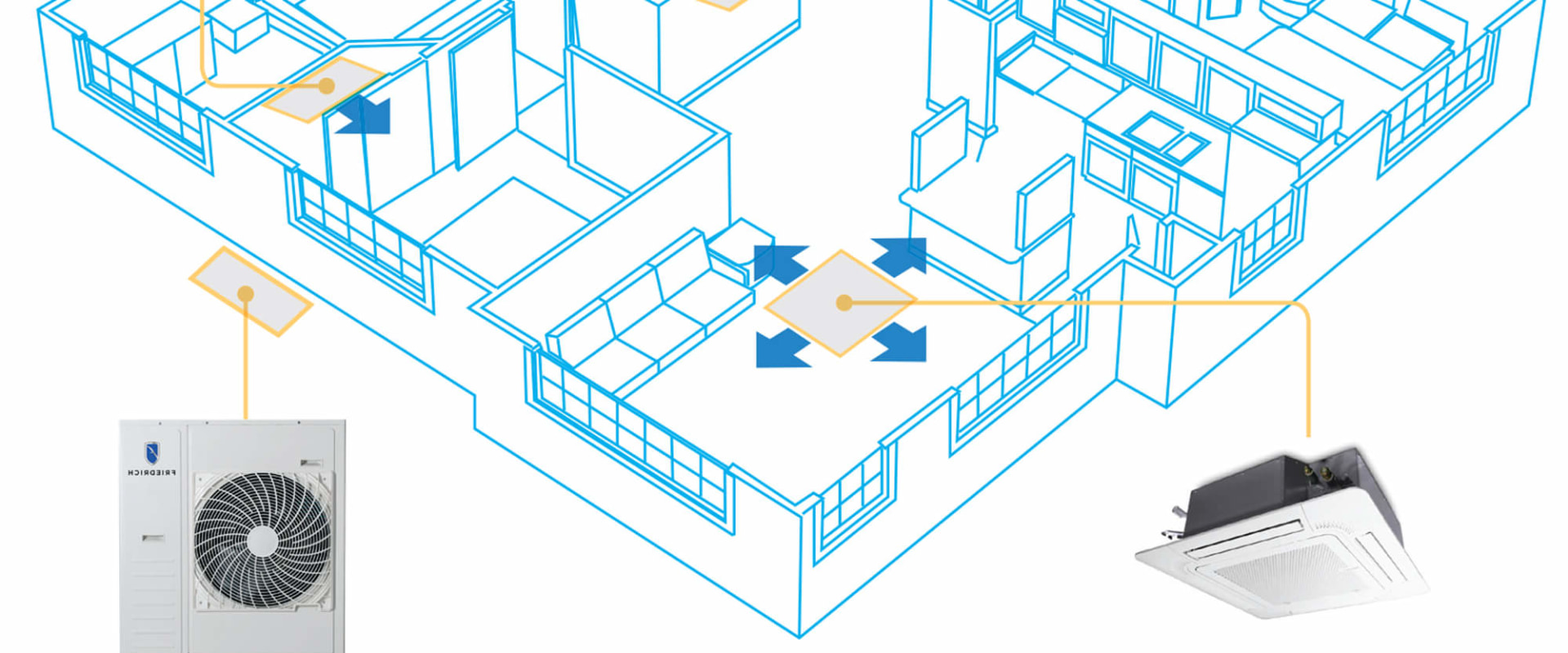
Multi-zone ductless HVAC systems have become an increasingly popular solution for homeowners seeking greater energy efficiency, individualized comfort, and flexible climate control throughout their homes. Unlike traditional central HVAC systems that distribute conditioned air through ductwork, multi-zone ductless systems use one outdoor unit connected to several indoor air handlers, allowing each room or zone to maintain its own temperature settings. While this design offers significant advantages, achieving optimal performance requires careful planning before installation begins. Many homeowners assume that adding additional indoor units is a straightforward process, but factors such as equipment sizing, room layout, insulation quality, and household usage patterns all influence how effectively the system will operate. Without thoughtful planning, even high-quality ductless equipment may struggle to deliver consistent comfort or long-term efficiency.
Proper Design Determines Long-Term Performance
Every zone within a ductless HVAC system has unique heating and cooling requirements based on room size, ceiling height, window placement, insulation levels, occupancy, and sun exposure. A room with large south-facing windows, for example, may experience greater heat gain than an interior bedroom, requiring different capacity calculations. Simply assigning identical indoor units to every room can result in uneven temperatures, inefficient energy use, or excessive equipment cycling. Outdoor unit capacity must also be carefully matched to the combined demands of all indoor zones while allowing flexibility for varying usage throughout the day. Refrigerant line routing presents another important consideration. Excessive line lengths, improper installation, or inadequate insulation can reduce overall system efficiency and complicate future maintenance. Homeowners should also consider indoor unit placement to maximize airflow while minimizing visual impact and operating noise. Strategic positioning ensures conditioned air circulates evenly without creating uncomfortable drafts or leaving portions of a room inadequately heated or cooled. Those interested in learning more about HVAC projects, system installations, and company updates may also find valuable information through https://www.facebook.com/PrestigeMechanicalConstruction/ as part of researching professional heating and cooling solutions.
Planning Today Prevents Problems Tomorrow
Beyond equipment selection, successful multi-zone installations require careful consideration of how the home will be used both now and in the future. Growing families, home office additions, finished basements, or converted living spaces may alter heating and cooling demands over time, making future expansion an important part of the planning process. Electrical capacity should also be evaluated to ensure the home's service panel can safely support the new equipment. During installation, experienced technicians verify refrigerant charge, test airflow, inspect drainage systems, and confirm that each indoor unit communicates properly with the outdoor condenser. These steps help ensure every zone performs independently while maintaining overall system efficiency. Homeowners also play an important role by regularly cleaning filters, keeping indoor units free from obstructions, and scheduling routine maintenance to preserve long-term performance. Unlike conventional HVAC systems that rely heavily on ductwork, ductless systems depend on precise engineering and balanced operation across multiple zones. Careful planning minimizes the risk of uneven temperatures, excessive energy consumption, premature equipment wear, and costly future modifications. By investing time in proper system design from the beginning, homeowners can enjoy personalized comfort, lower utility costs, quieter operation, improved indoor air quality, and reliable performance for many years. A thoughtfully planned multi-zone ductless HVAC system not only enhances daily comfort but also provides a flexible solution that can adapt to changing household needs while maximizing the value of the overall investment.