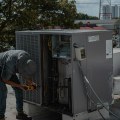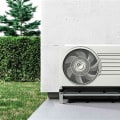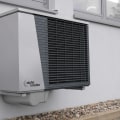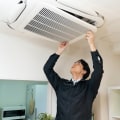
Ductless HVAC systems have become a popular solution for homeowners seeking efficient and flexible climate control without the need for extensive ductwork. These systems, often referred to as mini-splits, provide targeted heating and cooling to specific areas, allowing for better temperature management and reduced energy consumption. Because they operate independently in different zones, homeowners can customize comfort levels in each room while avoiding the energy losses commonly associated with traditional ducted systems. However, to fully maximize the benefits of ductless HVAC installation, it is essential to consider the condition and capacity of the home’s electrical system.
Why Electrical Improvements Are Essential
Ductless HVAC units rely heavily on electrical components to function efficiently, making electrical upgrades a critical part of the installation process. Older homes may not have the necessary wiring or circuit capacity to support modern HVAC systems, which can lead to issues such as overloaded circuits or inconsistent performance. Upgrading the electrical panel, adding dedicated circuits, and ensuring proper grounding are all important steps in preparing the home for a ductless system. Working with professionals, such as an experienced electrician in Austin TX, ensures that these improvements are completed safely and in compliance with local codes, providing a reliable foundation for the HVAC system.
Enhancing Efficiency Through Integrated Planning
Combining ductless HVAC installation with electrical improvements allows homeowners to achieve greater efficiency and performance. When both systems are planned together, it becomes easier to optimize energy usage and ensure that all components work seamlessly. For example, properly sized circuits and updated wiring reduce energy loss and improve the overall responsiveness of the HVAC system. Additionally, integrating smart controls and programmable thermostats can further enhance efficiency by allowing users to monitor and adjust temperature settings remotely. This level of coordination not only improves comfort but also contributes to long-term energy savings.
Supporting Safety and Long-Term Reliability
Safety is another key benefit of aligning HVAC installation with electrical upgrades. Faulty or outdated wiring can pose serious risks, including electrical fires and equipment damage. By addressing these issues during the installation process, homeowners can create a safer environment while protecting their investment. Regular maintenance of both HVAC and electrical systems ensures that they continue to operate reliably over time. This includes inspecting connections, cleaning components, and addressing any signs of wear or damage. A well-maintained system is less likely to experience unexpected breakdowns, providing consistent comfort and peace of mind.
Long-Term Value of Coordinated Upgrades
Investing in both ductless HVAC installation and electrical improvements offers significant long-term value. Homeowners benefit from increased energy efficiency, lower utility costs, and enhanced property value. The ability to control indoor temperatures more precisely also improves overall comfort and quality of life. By taking a comprehensive approach to these upgrades, homeowners can ensure that their systems are not only functional but also future-ready. Ultimately, the combination of modern HVAC technology and a well-designed electrical system creates a balanced and efficient home environment that supports both immediate needs and long-term goals.