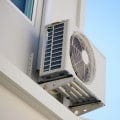
Older buildings often possess unique architectural character, durable craftsmanship, and historical value that homeowners and property managers want to preserve. However, many of these structures were built long before modern heating and cooling systems became standard, making climate control upgrades more challenging than in newer construction. Installing traditional ducted HVAC systems may require extensive modifications to walls, ceilings, and floors, potentially affecting the building's original design or structural framework. Ductless HVAC systems offer an efficient alternative because they require significantly less invasive installation while still providing reliable heating and cooling. When combined with careful structural engineering, these systems allow older buildings to gain modern comfort without compromising their long-term stability or architectural integrity.
Preserving Existing Structural Components
One of the greatest advantages of ductless HVAC systems is their ability to minimize alterations to the building's structure. Traditional ductwork often requires large openings through framing, floor systems, and ceilings, which may involve modifying structural members if not carefully planned. Ductless systems rely on compact indoor air-handling units connected to outdoor equipment through small conduit openings, reducing the need for major demolition or reconstruction. Structural engineers evaluate proposed installation locations to ensure that wall penetrations, mounting systems, and equipment supports do not interfere with load-bearing components or weaken existing structural elements. This thoughtful planning helps preserve the building's original framework while accommodating modern mechanical upgrades.
Coordinating Mechanical and Structural Design
Older buildings frequently contain hidden structural characteristics that differ from modern construction methods. Solid masonry walls, heavy timber framing, aging wood joists, and historic construction techniques require careful evaluation before mechanical equipment is installed. Structural engineers work alongside HVAC professionals to determine the safest and most practical locations for indoor units, outdoor condensers, refrigerant lines, and electrical connections. This collaboration helps prevent unnecessary modifications while ensuring that equipment is properly supported throughout its service life. Companies such as Open Concept Engineering demonstrate the value of integrating structural expertise into renovation projects, allowing building improvements to respect both engineering requirements and the original architectural character of older properties.
Identifying Existing Structural Concerns
Renovation projects involving ductless HVAC installation often provide valuable access to portions of older buildings that are not regularly visible. Removing finishes or accessing concealed wall cavities may reveal aging framing, moisture damage, wood deterioration, previous structural modifications, or settlement-related issues that would otherwise remain unnoticed. Structural engineers can evaluate these conditions during the installation process and recommend repairs before new mechanical systems are completed. Addressing hidden structural concerns at this stage reduces the likelihood of future complications while ensuring that both the building and the upgraded HVAC system continue performing efficiently for years to come.
Supporting Long-Term Building Performance
Ductless HVAC systems not only improve comfort and energy efficiency but also contribute to better long-term building preservation when properly integrated into the structure. Their compact design reduces unnecessary disruption to original construction, helping maintain architectural details while minimizing structural alterations. Engineers also evaluate mounting methods, vibration control, drainage, and equipment placement to reduce stress on existing walls and framing. Careful coordination between structural and mechanical systems ensures that climate control improvements support the building's long-term performance rather than introducing new maintenance concerns. This comprehensive approach helps extend the lifespan of both the HVAC equipment and the building itself.
A Balanced Approach to Modernization
Upgrading older buildings requires balancing modern performance expectations with the preservation of existing structural and architectural features. Ductless HVAC systems provide an effective solution by delivering efficient heating and cooling with minimal impact on the building's original construction. Structural engineers play a critical role in making these upgrades successful by evaluating load-bearing elements, identifying concealed structural issues, and coordinating installation methods that protect the integrity of the structure. Their expertise allows property owners to modernize aging buildings while preserving their unique character and ensuring reliable long-term performance. By combining innovative HVAC technology with thoughtful structural planning, older buildings can continue serving future generations with improved comfort, efficiency, and lasting structural stability.